
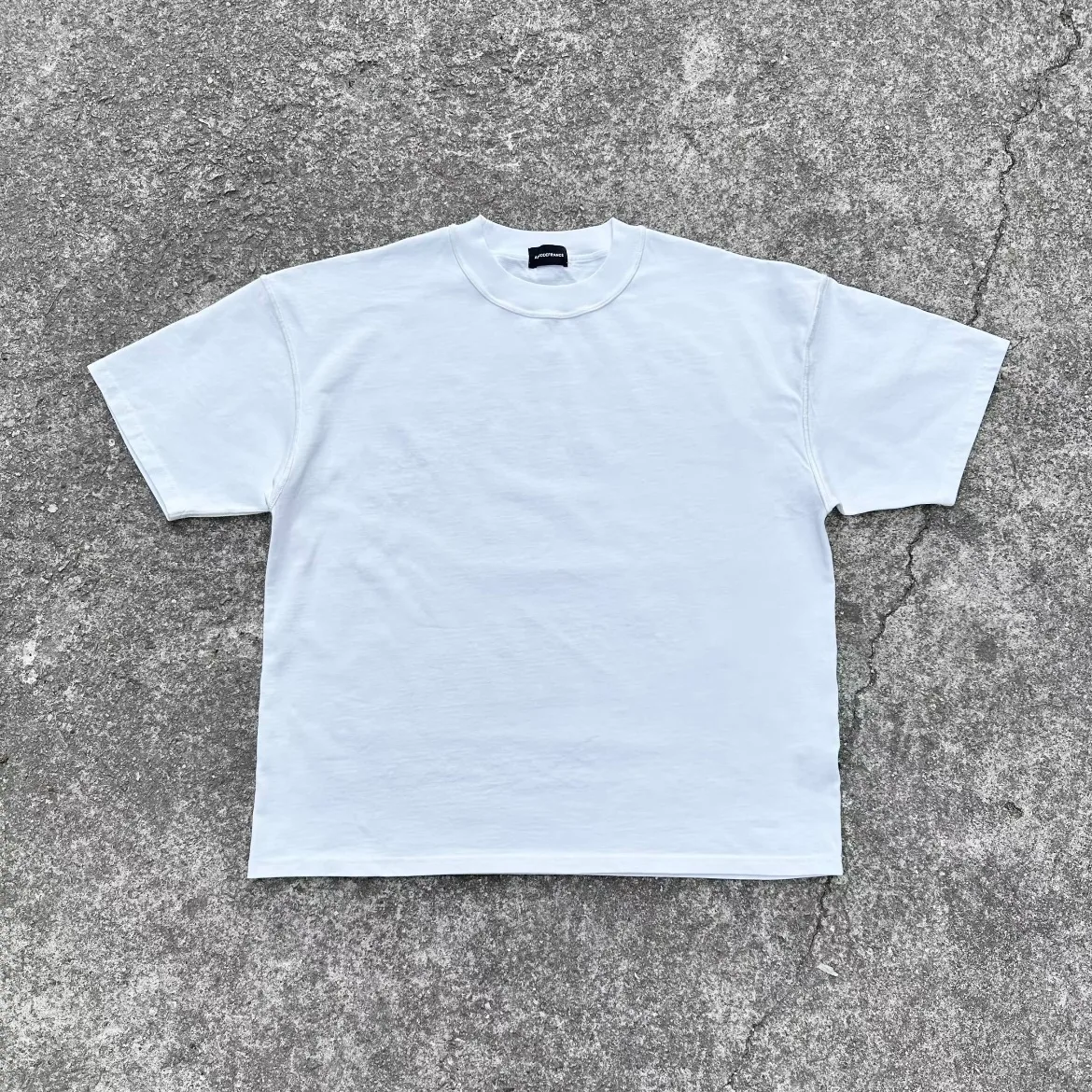
Starting a clothing brand with a small budget is mostly a problem of sequencing decisions. Spending heavily on many designs before testing a strong core product can leave too little money for a proper sample, fit correction, packaging, or delivery. A narrow first drop is easier to inspect and reorder. This guide explains how to protect development quality while keeping initial inventory exposure under control.
Choose a specific buyer first
A brand aimed at everyone rarely has a clear fit, price or message. Identify a customer, use case, price band and purchase reason. A disciplined initial product can be more compelling than a broad collection. Research comparable brands and note the garment details their customers care about, such as weight, wash, fit or durability.
Name the customer and use case before choosing silhouettes: a lightweight everyday tee and a heavyweight washed tee serve different price points and climates.
Build one strong product concept
Select a hero silhouette with a fit and material your budget can support. Define the design through reference images, measurements, a simple color plan and logo placement. Avoid adding several expensive techniques just to look distinctive. A precise fit, appropriate fabric and controlled finishing are often more valuable than a crowded list of features.
Spend on one clear fit, an approved material, and reliable decoration before adding several colorways. The product itself must justify the brand promise.
Separate development and inventory money
Reserve funds for prototypes, fit corrections, shipping samples and product photography before allocating the entire budget to finished inventory. A sample is a learning instrument; skipping it pushes uncertainty into the more expensive bulk order. Track every revision and what it changes in cost or lead time.
Keep design and sampling expenses separate from bulk inventory. You may need a second sample to correct grading, placement, or wash distortion.
Plan a small but credible launch
Keep the initial SKU count manageable. Size distribution should reflect your audience instead of splitting quantities evenly without evidence. Consider a limited release, pre-order model with transparent timing or small stock launch. Each has different customer-experience risks; never describe uncertain manufacturing dates as guaranteed delivery dates.
Plan photographs, packaging, fulfillment, duties, and returns with the same discipline as factory price. Production is only one part of launching.
Use launch results to guide reorder
Record sell-through by size, returns by reason, customer comments and the margin after fulfillment. These observations guide the next sampling round more reliably than intuition. When an item performs, preserve its approved sample, pattern, fabric specification and artwork so the second run does not become a fresh development project.
Use sell-through, size feedback, and return reasons to adjust the next order. A reorder from a preserved approved sample is easier than starting from memory.
What to include in the supplier brief
Create a simple launch budget with separate rows for concept and artwork, pattern or sampling, fabric and bulk production, branding trims, photography, inbound freight, import costs, fulfillment, and contingency. The last item matters because a first sample may reveal unexpected pattern or fabric corrections. If funding is limited, shrink the number of styles rather than eliminating the sample review. Use a preliminary estimate only to plan feasibility; the final production price depends on confirmed specifications and quantity. A brand should know its target selling price, likely customer and required gross margin before approving materials.
Factory-side controls and approval
Your first product should provide information for the next one. Document which sizes customers selected, whether the neckline or sleeve shape was comfortable, what comments appeared in returns, and which colors sold. Keep the approved sample, original pattern file, artwork placement, care label and supplier fabric reference. Decide the reorder trigger before stock runs low, recognizing that another dye lot or a special accessory can add lead time. An early launch is a product-learning exercise. Better records allow the second order to improve while preserving what customers already liked.
Production decisions to document
| Decision | What the buyer should verify |
|---|---|
| Product focus | One hero style, target buyer, size range |
| Development | Pattern, sample, revision and test allowance |
| Inventory | Quantity by size and color, reorder triggers |
| Sales readiness | Photos, packaging, freight, duties, returns |
Illustrative production scenario
A founder considering four hoodies and three tees can instead test one oversized tee with two graphics and a controlled size range. The smaller product scope may free budget for material testing, fit photography, and a second correction sample. After launch, real demand can justify new colorways and a hoodie program rather than the reverse.
Buyer checklist
- Define a customer and attainable retail price.
- Develop one hero style with a measured fit reference.
- Fund sampling and revisions before finalizing inventory.
- Measure sell-through and product feedback by SKU.
Two mistakes to avoid
- Spending the full budget on inventory before sample approval.
- Assuming a low MOQ removes setup or testing costs.
Frequently asked questions
Do I need a full collection?
No. A focused launch with one or two products can test market demand.
Can I launch without a tech pack?
You can begin with references, but production details must be documented before bulk manufacturing.
What should I spend on first?
Product validity, sample quality and a viable cost model come before a large SKU count.
Discuss your project with MuseArk Studio
Describe the first product you want to launch, your quantity range, and what design information you already have. MuseArk can identify a sensible first-sample scope.
Request a Custom Apparel Production ReviewRelated MuseArk resources
- What 50–100-piece MOQ really means
- How our development process works
- Custom T-shirts and jerseys