
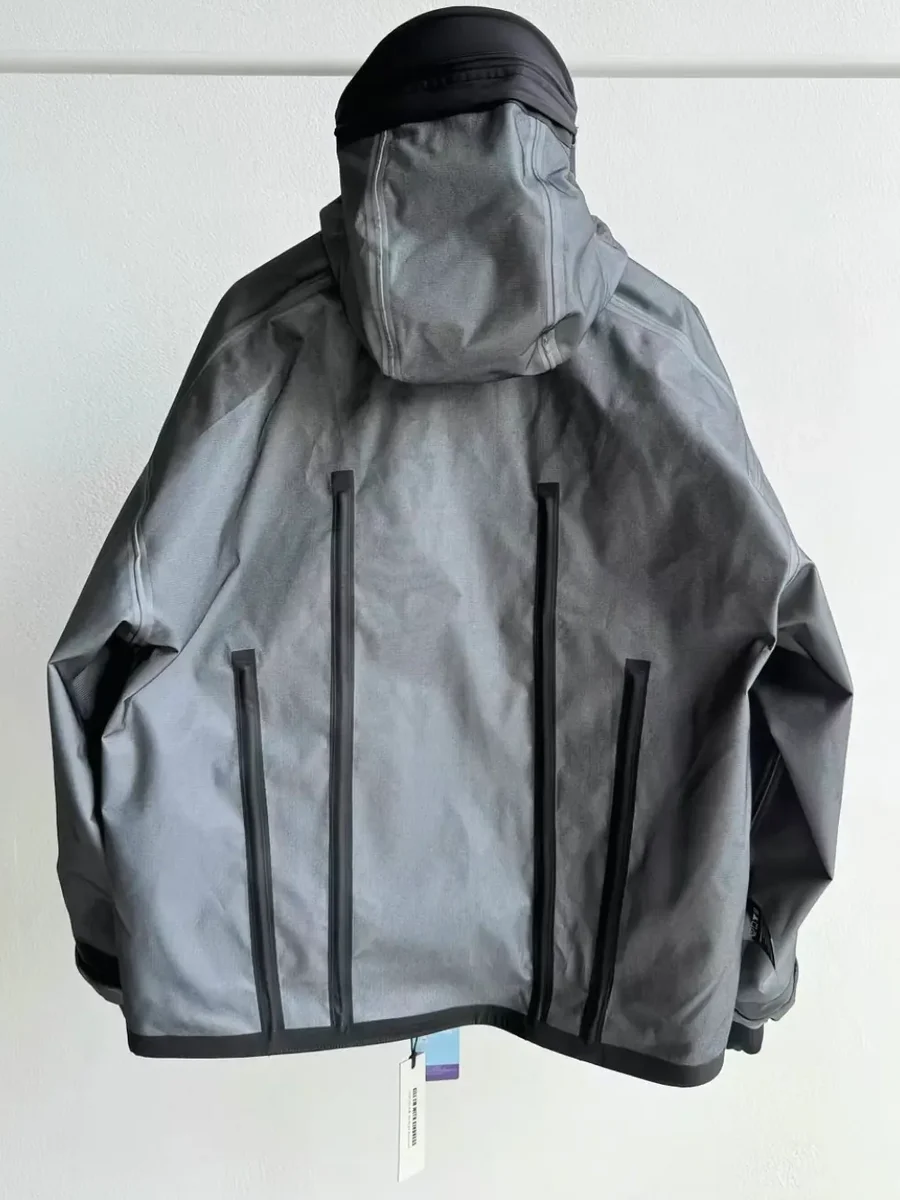
Jacket manufacturing covers garments as different as casual track jackets, lined overshirts, windbreakers, and technical shells. A supplier must understand the intended use before deciding materials or construction. The buyer should define appearance, layering allowance, closure performance, pocket function, and whether water or wind resistance is required. This framework helps a brand prepare a jacket brief that can actually be sampled.
Identify the intended function
A fashion bomber, lined canvas jacket and performance windbreaker are not interchangeable projects. Define climate, intended use, silhouette, closure, pocket system, lining and trim expectations. For technical claims such as waterproofing, separate fabric performance from seam and garment performance. A coated fabric alone does not make the assembled jacket waterproof.
Start by distinguishing everyday styling from weather performance. A fashion shell with a coating does not automatically meet a waterproof garment claim.
Build a construction specification
Provide front, back and detail views, finished measurements, seam types, pocket dimensions, collar form and zipper placement. Specify shell, lining, interlining and any reinforcement. Hardware details matter: zipper gauge, puller, snaps, elastic, cord locks and seam tape can affect both price and product usability.
Provide sketches or clear references for every panel, seam, lining, facing, vent, pocket, cuff, and hem adjustment.
Choose material by behavior
Nylon, polyester, cotton canvas, coated fabrics and synthetic leather offer different drape, abrasion resistance, breathability and care properties. A material that works in a simple pullover may behave poorly around intricate pockets. Obtain swatches and evaluate them with the proposed construction rather than choosing solely from a photograph.
Select shell and lining together; their stiffness, stretch, friction, and shrinkage affect fit and comfort. Request physical swatches.
Sample complex areas early
Pockets, collar, hood, zip placket and curved seams are common sources of rework. For waterproof features, evaluate seam-sealing compatibility and realistic performance criteria. Ask the factory to flag operations that could be unstable at scale. Treat prototype corrections as a normal development step, not a failure.
Sample pocket bags, curved panels, hood openings, and zipper ends early because these can be costly to correct once bulk cutting begins.
Plan tests and inspection
Determine which claims require laboratory or in-house tests, then agree who arranges them and who pays. Define acceptable stitch quality, seam appearance, zipper operation and measurements. For lined jackets, check how shell and lining move together. The final production sample should represent actual bulk fabric and trims wherever possible.
Define fabric or finished-garment tests appropriate to actual claims. Document what is tested, under which method, and by whom.
What to include in the supplier brief
The jacket brief should define the use environment and the construction in separate sections. For a casual track jacket, fit, lining friction, zipper movement and aesthetic finish may dominate. For a technical windbreaker, water-repellent treatment, seam design and hood adjustment may also matter. Write down every panel, pocket, closure, facing, hem adjustment, cuff type, and lining requirement. For coated or laminated fabrics, request relevant supplier performance information and specify any finished-garment tests before marketing a waterproof claim. Avoid confusing a water-resistant zipper with a fully waterproof product.
Factory-side controls and approval
Treat complex operations as early sample priorities. Stitch and seal one representative curved seam; test zipper ends and pocket openings before the complete shell goes into bulk preparation. Review material compatibility, bonding quality, zipper tape width, clean inside finishing and garment balance when layered over clothing. Where the route involves specialist partner coordination, identify the responsible party and what evidence comes back from each process. The order specification should define the approved sample, exact trims, measured tolerances, performance claims and inspection points. Test requirements must be realistic for the actual product.
Production decisions to document
| Decision | What the buyer should verify |
|---|---|
| Use case | Lifestyle, wind shell, or verified waterproof spec |
| Construction | Panel drawings, lining, pocket and seam types |
| Materials | Shell, coating/membrane, zipper, lining, trims |
| Approval | Fit, hardware function, wash and claimed tests |
Illustrative production scenario
A brand references a minimal gray shell jacket with narrow water-resistant zippers. The pattern team needs to know whether the style is for light showers or measurable waterproof performance. Those choices affect membrane, seam tape, zipper protection, and testing. A decorative mockup should not be treated as proof of either construction or performance.
Buyer checklist
- State end use and any verifiable performance requirements.
- Provide clear shell, lining and trim specifications.
- Prototype pockets, collar and closure details.
- Approve inspection criteria and necessary tests before bulk.
Two mistakes to avoid
- Calling an untested windbreaker waterproof.
- Overlooking lining and seam impacts on finished sizing.
Frequently asked questions
Can a factory make a jacket from images?
Images can start a development brief; materials, pattern and construction must still be defined.
Does water-resistant mean waterproof?
No. The terms imply different performance; claims need appropriate evidence.
Why do jackets take longer to sample?
They contain more components, fit interactions and potential functional requirements.
Discuss your project with MuseArk Studio
Share jacket references or tech pack, target conditions, fabric, closures, order quantity, and size range. We can assess the relevant sample and material route.
Request a Custom Apparel Production ReviewRelated MuseArk resources
- Custom jackets and outerwear
- Factory and sample evidence
- How our development process works