
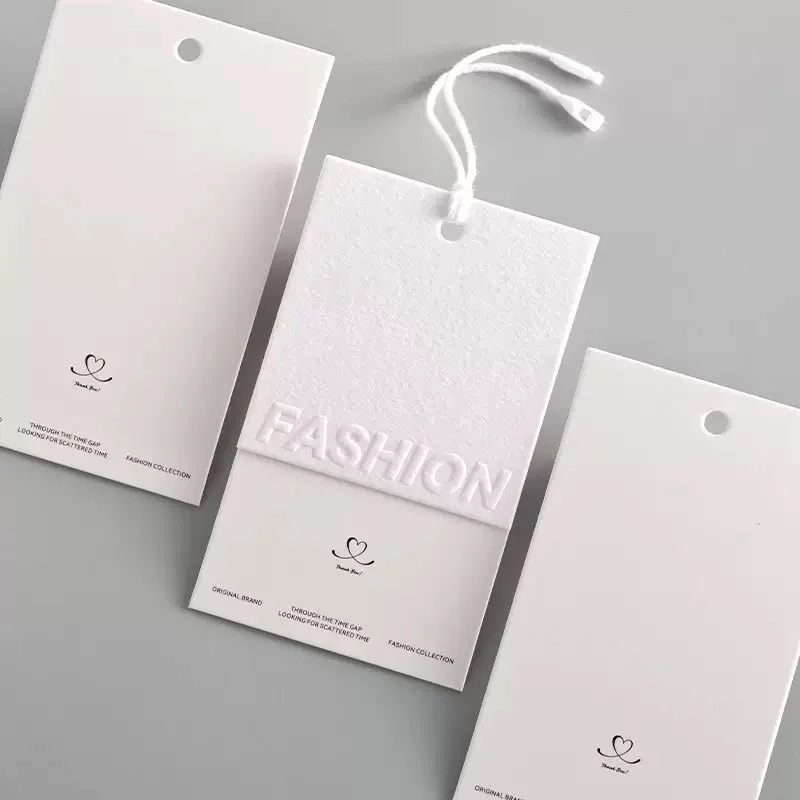
Private-label finishing gives customers a coherent product experience, but labels and packaging must do more than look attractive. Garments sold in different destinations can face different fiber-content, care, origin, and language requirements. The brand should treat identification, decoration, garment protection, and shipping as connected decisions rather than last-minute extras.
Start with essential product information
Before designing an attractive neck label, identify the fiber composition, care, country-of-origin and other labeling requirements for the destination market. Rules vary, so confirm them with qualified local guidance. Marketing claims about sustainability or material performance also need evidence. Do not let decorative branding crowd out required information.
Confirm legally required fiber, care, origin, and other information for the destination market. Seek qualified local guidance for market-specific compliance.
Choose the right label types
Woven labels, printed satin labels, heat-transfer neck marks and patches have different comfort, durability and visual characteristics. A heavy woven label may irritate skin on lightweight tops. Confirm dimensions, fold type, attachment position and artwork legibility on an actual sample. Check whether the label withstands the same care treatment as the garment.
Choose main woven labels, printed neck labels, size labels, and care labels by comfort, durability, placement, and production process.
Make packaging fit the product
A polybag, paper wrap, box or branded insert should protect the garment during shipping and support the intended unboxing experience. Excessive packaging raises costs and can complicate fulfillment. Discuss folded dimensions, barcode placement, moisture protection and carton packing. Packaging specifications must match the distribution channel, not only social-media presentation.
Match hangtags, stickers, barcodes, polybags or reusable packaging to the garment and retail channel, without making unsupported sustainability claims.
Control branding consistency
Define logo clear space, colors, typography, label placement and trim finishes in a compact brand specification. Check artwork proofs for spelling and regulatory text before printing. For multi-style collections, decide which items share packaging components to avoid unnecessary minimums and inconsistent visual presentation.
Keep typography, color, logo proportions, and barcode data consistent across sizes and styles. Approve physical label and packaging samples.
Calculate packaging within landed cost
Labels and packaging have setup charges, material minimums and labor implications. Obtain quotes by quantity and request a sample pack-out to estimate carton dimensions and shipping weight. Protect quality and compliance before adding expensive extras. An understated, consistent packaging system can look more professional than a complex one executed inconsistently.
Include folding method, bag size, carton quantity, packing list, labeling, and freight protection in the final specification and quotation.
What to include in the supplier brief
Prepare a label specification by destination market, style and product category. Distinguish the decorative main label from legally required information such as composition, origin, care, and any language or product-safety obligations that may apply. Those requirements vary, so confirm them with qualified local guidance before printing. Supply approved logo artwork in the correct proportions, label dimensions, attachment position, and material or printing method. Check comfort at the neck, legibility after laundering and whether the label survives garment washing or other finishing.
Factory-side controls and approval
Packaging affects both presentation and operations. Decide folding method, garment bag size, hangtag location, barcode or SKU structure, size sticker placement, cartons and pack-out quantities before production closes. A heavy hoodie, structured jacket and lightweight tee may need different protection to avoid creases or damaged hardware. Ask for a physical packed sample, not only a flat artwork proof. The quote should separate custom label tooling, hangtag print minimum, packaging materials and extra packing labor where applicable. Make environmental or performance claims only with evidence; avoid assuming all branded or recyclable-looking packaging is sustainable.
Production decisions to document
| Decision | What the buyer should verify |
|---|---|
| Compliance | Destination rules, composition, origin and care |
| Brand trims | Woven/printed labels, size marking, hangtags |
| Packaging | Bag, fold, barcode, carton and protection |
| Approval | Actual samples, artwork proof and pack-out QC |
Illustrative production scenario
A brand orders washed hoodies with a custom woven neck label and printed hangtag. The chosen label must survive the wash sequence, remain comfortable against the neck, and present accurate market-specific care information. Packaging should protect the finished surface without flattening the hood or causing unnecessary creases during shipping.
Buyer checklist
- Check target-market labeling obligations.
- Approve actual neck, care and brand labels.
- Specify packing method and barcode needs.
- Test total packaging and freight cost per unit.
Two mistakes to avoid
- Treating decorative branding as a substitute for required label information.
- Leaving packaging and barcode requirements until after bulk sewing.
Frequently asked questions
Can a factory add my brand label?
Many can, subject to artwork, materials and minimums.
Do all countries require the same label information?
No. Check destination-market rules for your product.
Is custom packaging always worth the cost?
Only if it supports customer experience and a viable landed cost.
Discuss your project with MuseArk Studio
Share your destination market, brand artwork, label types, packaging requirements, and target quantities. MuseArk can review practical production and approval details.
Request a Custom Apparel Production ReviewRelated MuseArk resources
- Production capabilities
- Factory and sample evidence
- How our development process works