
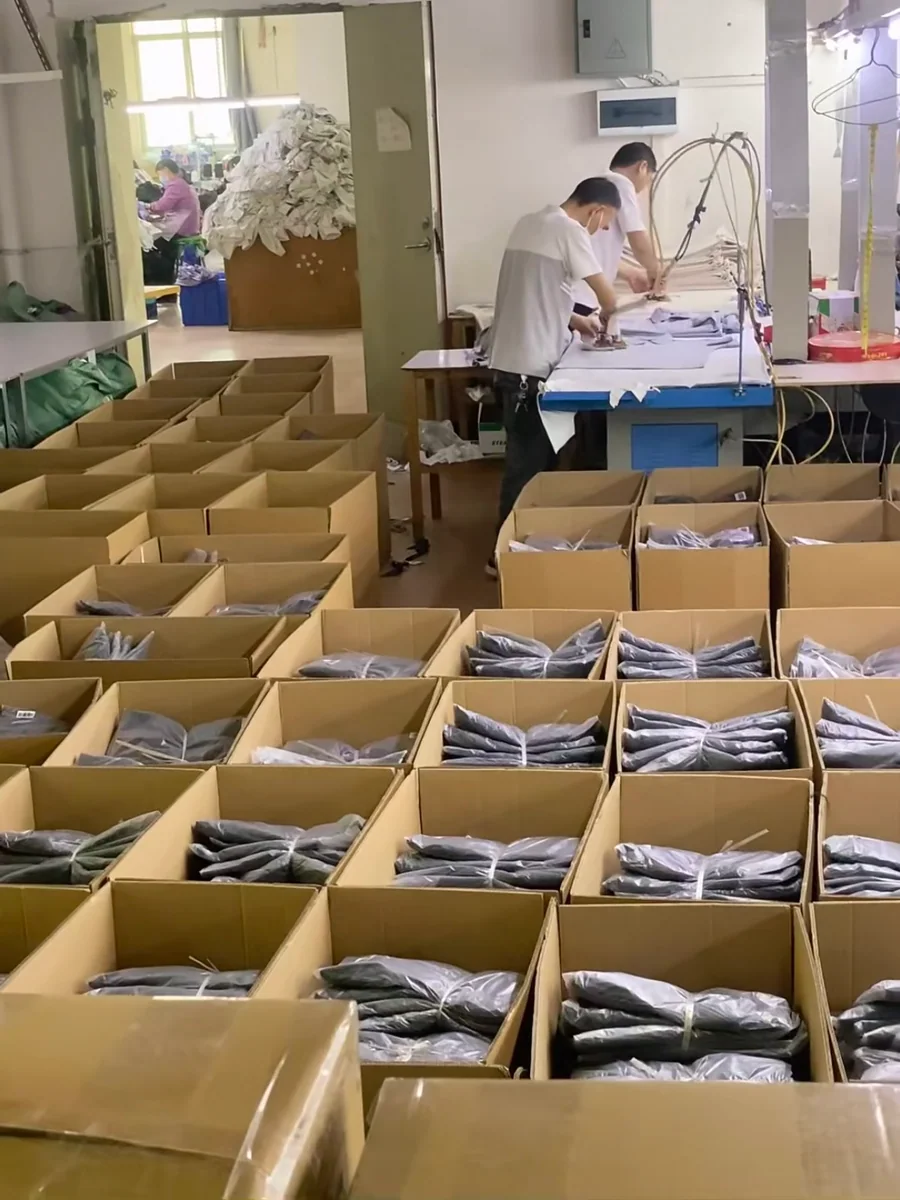
Approving a clothing sample should mean more than saying that the garment looks good in a photo. The approved piece becomes a production reference, so each important attribute needs a measurable or visible acceptance rule. A factory and buyer must know whether the sample is a first prototype, revised fit sample, or true pre-production sample made through the intended bulk process.
Confirm the sample stage
A first prototype checks concept and fit; a pre-production sample should represent the approved materials and intended manufacturing methods. Make sure everyone uses the same term. Do not approve bulk cutting based on an early sample with substitute fabric unless those substitutions and remaining approvals are explicitly documented.
Confirm the sample stage and identify any substituted fabric, thread, zipper, label, or trim. An unapproved substitute prevents full bulk sign-off.
Measure the garment systematically
Use a written point-of-measure chart: chest, shoulders, body length, sleeves and category-specific dimensions. Measure on a flat surface using a defined method and compare against tolerance. Fit the item on the intended size or model. A garment can fall within individual measurements yet still hang poorly if proportions or balance are wrong.
Measure the finished garment at agreed points, compare the grade rules, and record tolerances. Check appearance on a person as well as on a flat table.
Inspect material and workmanship
Check fabric composition and weight against references, then examine seams inside and out. Look for skipped stitches, twisting, puckering, loose threads and inconsistent hemming. For jackets, inspect zippers and linings; for jeans, check fly, bartacks and wash effects. Test any functional feature relevant to the final product.
Approve physical fabric and color references, including postwash shade and shrinkage where finishing changes dimensions.
Check branding and decoration
Confirm the exact logo artwork, dimensions, placement, color, neck label content, care label and packaging. Use rulers or measurement references for position. If the decoration method has a separate approval sample, keep it with the product specification. A digital proof alone does not show tactile quality or wash durability.
Record all decoration dimensions and positions relative to seams or fixed POM points. Review logo touch, stretch, durability, and the final wash result.
Approve in writing with a revision record
Create a dated record listing accepted details, outstanding changes and sign-off authority. If alterations are required, specify whether another physical sample is mandatory or whether a limited documentary confirmation is sufficient. Store a physical approved sample when possible. This forms the basis for quality inspection and dispute prevention.
Make approval explicit: sample ID, date, outstanding exceptions, authorized decision maker, and permitted substitutions. Retain a matching control sample.
What to include in the supplier brief
A sample-approval sheet should contain a controlled identity: style code, revision, sample purpose, size, fabric source, finish, color, artwork version and review date. In the measurement table, state each POM, target, actual sample value and accepted tolerance. A full review also checks inside seams, wash appearance, color matching, fit on a person, logo placement, care and brand labels, hardware function and packing. Mark every item approved, rejected, or conditionally approved. An unresolved conditional item must have an owner and deadline before the production-release decision is made.
Factory-side controls and approval
Do not overlook the difference between approving a showroom appearance and confirming a repeatable method. If a sample used stock fabric, prototype hardware or a hand-finished print, ask what will change in bulk. The buyer should examine the proposed bulk materials and, where necessary, request a new pre-production sample. Keep both digital records and a retained physical sample. The factory can then inspect first-line production against that controlled standard. If an approved component becomes unavailable, the substitution process should trigger another review instead of an informal swap.
Production decisions to document
| Decision | What the buyer should verify |
|---|---|
| Fit | Finished POM table, size grade and tolerances |
| Materials | Fabric lot, GSM, rib, lining and trims |
| Decoration | Artwork, placement, test and color standard |
| Production release | Sample ID, exceptions, approvals and retention |
Illustrative production scenario
A buyer approves a zip hoodie photograph but has not checked the zipper tape, back neck, sleeve balance, or finished wash measurement. Those omissions may create expensive disagreements later. A signed sample sheet listing POMs, trims, print placement, shade, and packaging turns the visual approval into usable factory instructions.
Buyer checklist
- Use a point-of-measure chart and defined tolerances.
- Review fabric and all trims against physical references.
- Inspect branding placement, labels and wash results.
- Issue a dated approval with clear outstanding actions.
Two mistakes to avoid
- Sending 'looks perfect' without measurement or trim sign-off.
- Approving a development sample as if it used bulk materials.
Frequently asked questions
Can I approve via photos only?
Photos help with some visual changes but cannot prove feel, fit or full performance.
What is a pre-production sample?
A sample intended to validate approved materials and production construction before bulk.
Who should sign off?
A designated brand decision-maker with access to the complete specification.
Discuss your project with MuseArk Studio
Share your sample photos, size sheet, fabric information, and unresolved questions. MuseArk can help identify which specifications must be closed before production release.
Request a Custom Apparel Production ReviewRelated MuseArk resources
- Tech pack versus reference photos
- How our development process works
- Factory and sample evidence