
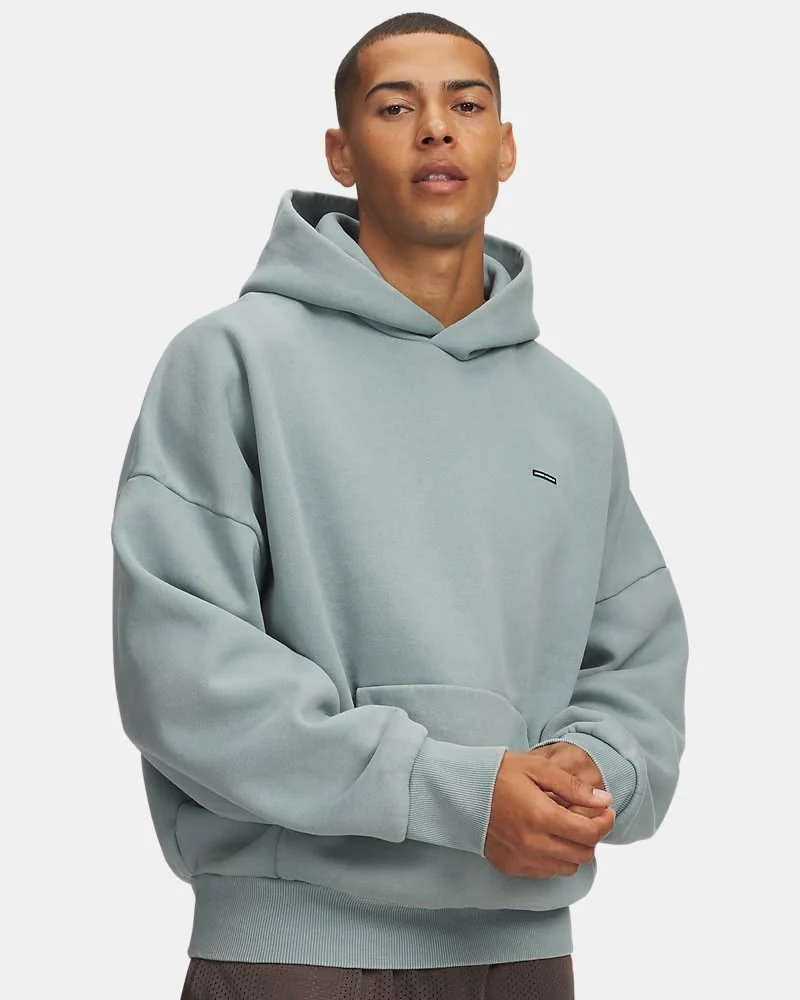
For many apparel brands, a hoodie order may look simple from the outside. You send a reference image, choose a fabric, confirm a logo, and wait for production. In reality, a custom hoodie goes through several important stages before it becomes a finished product ready for shipment.
Fabric selection, pattern adjustment, sample making, approval, cutting, sewing, quality checking, packing and export preparation all take time. At MuseArk, we help apparel brands turn hoodie ideas into real products. This article explains a realistic hoodie production timeline from a factory perspective, and why some steps should not be rushed if you want stable quality.
1. Product Discussion and Requirement Confirmation
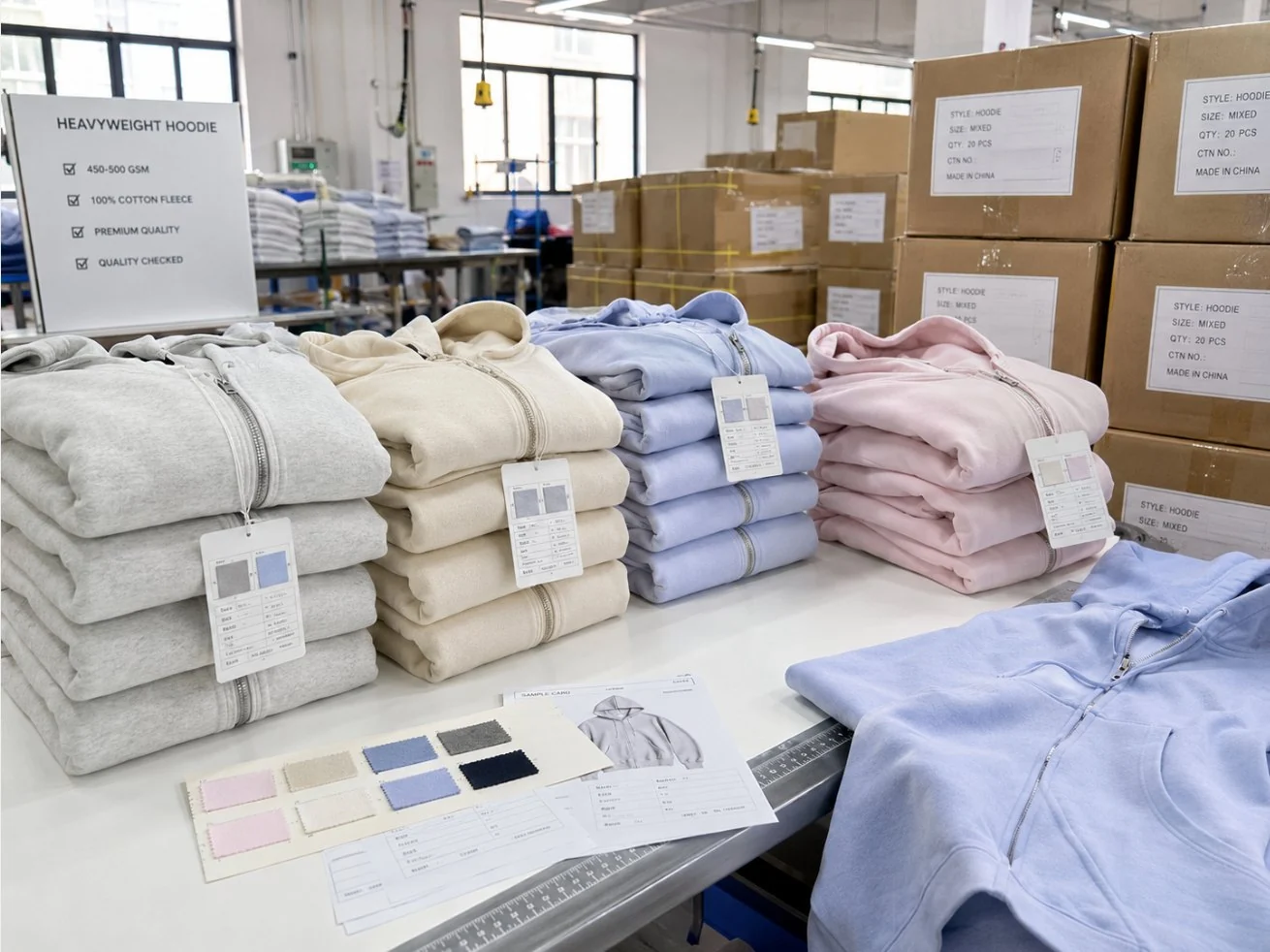
Before sampling begins, the factory needs to understand what kind of hoodie the brand wants to make. This includes the fabric type, fabric weight, silhouette, pullover or zip-up style, hood shape, rib structure, pocket style, logo placement, decoration method, size range, target quantity and packaging requirements. See What Information Does a Factory Need Before Sampling? for the details that should be prepared before this stage.
For heavyweight hoodies, this step is especially important. A 450gsm oversized hoodie, a lightweight fleece hoodie and a cropped streetwear hoodie are not produced in the same way. The fabric thickness, pattern balance, seam handling and sewing requirements can be different.
2. Fabric and Trim Selection
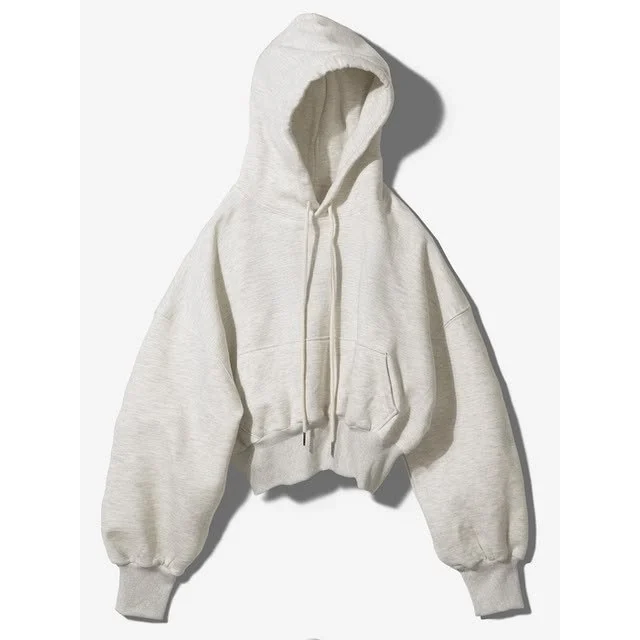
After the product direction is clear, the next step is fabric and trim confirmation. Fabric affects price, hand feel, shape, shrinkage, weight, sewing difficulty and final appearance. A premium hoodie does not depend only on heavy fabric. The structure of the fabric, rib quality, color stability and finishing also matter. Compare fabric weight options in 400 vs 500 GSM Hoodie.
- Cotton fleece or cotton blend fleece
- French terry or brushed fleece
- Available stock fabric or custom dyeing
- Matching rib for cuffs and hem
- Drawcord, zipper and eyelets
- Labels, hangtags and packaging
3. Pattern Making and Sample Development
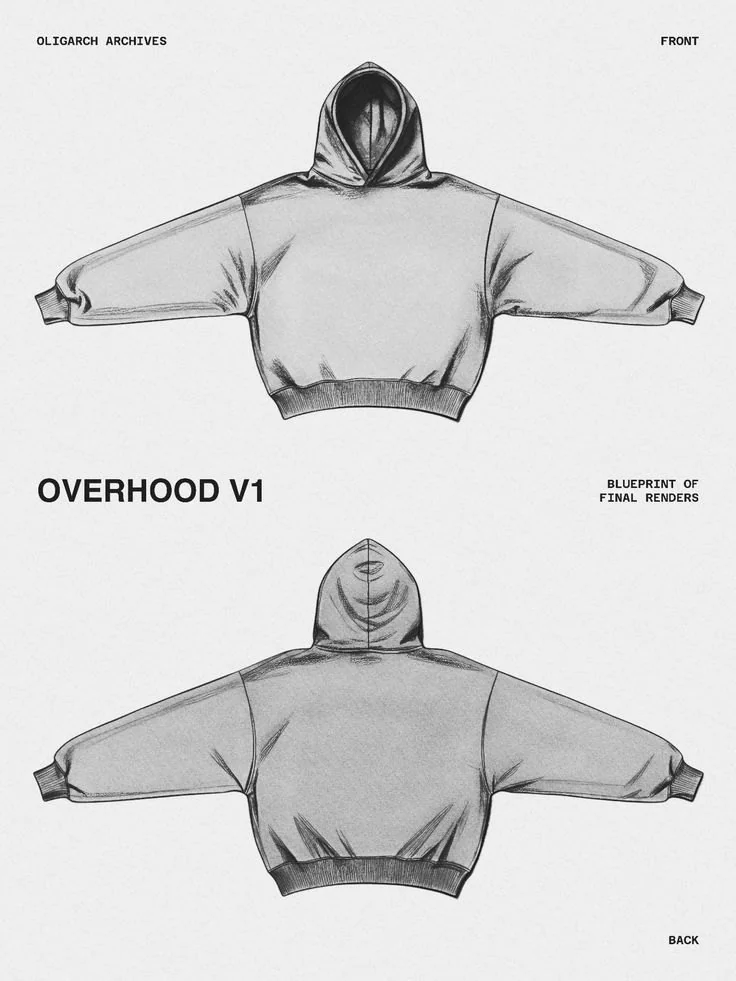
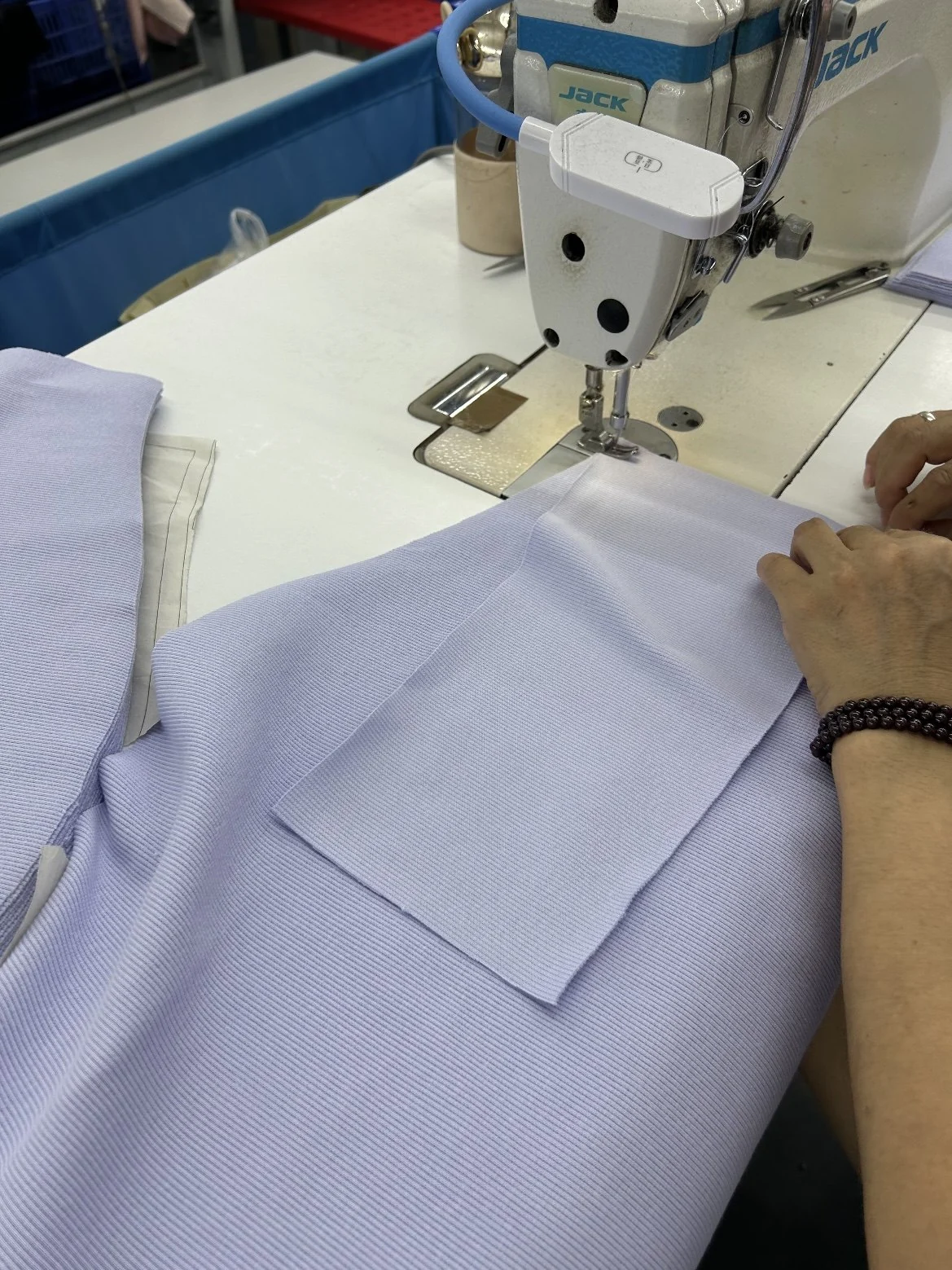
Once fabric direction and design details are confirmed, the factory can start pattern making and sample development. Pattern making is where the idea becomes a real garment structure. For hoodies, the pattern controls the shoulder line, chest width, body length, sleeve shape, hood volume, pocket position and hem balance.
For oversized or heavyweight hoodies, pattern control is even more important. If the shoulder is too low, the hoodie may look messy. If the hood is too flat, the product loses structure. If the sleeve or hem ratio is wrong, the fit may not match the brand's expectation.
4. Sample Review and Revision
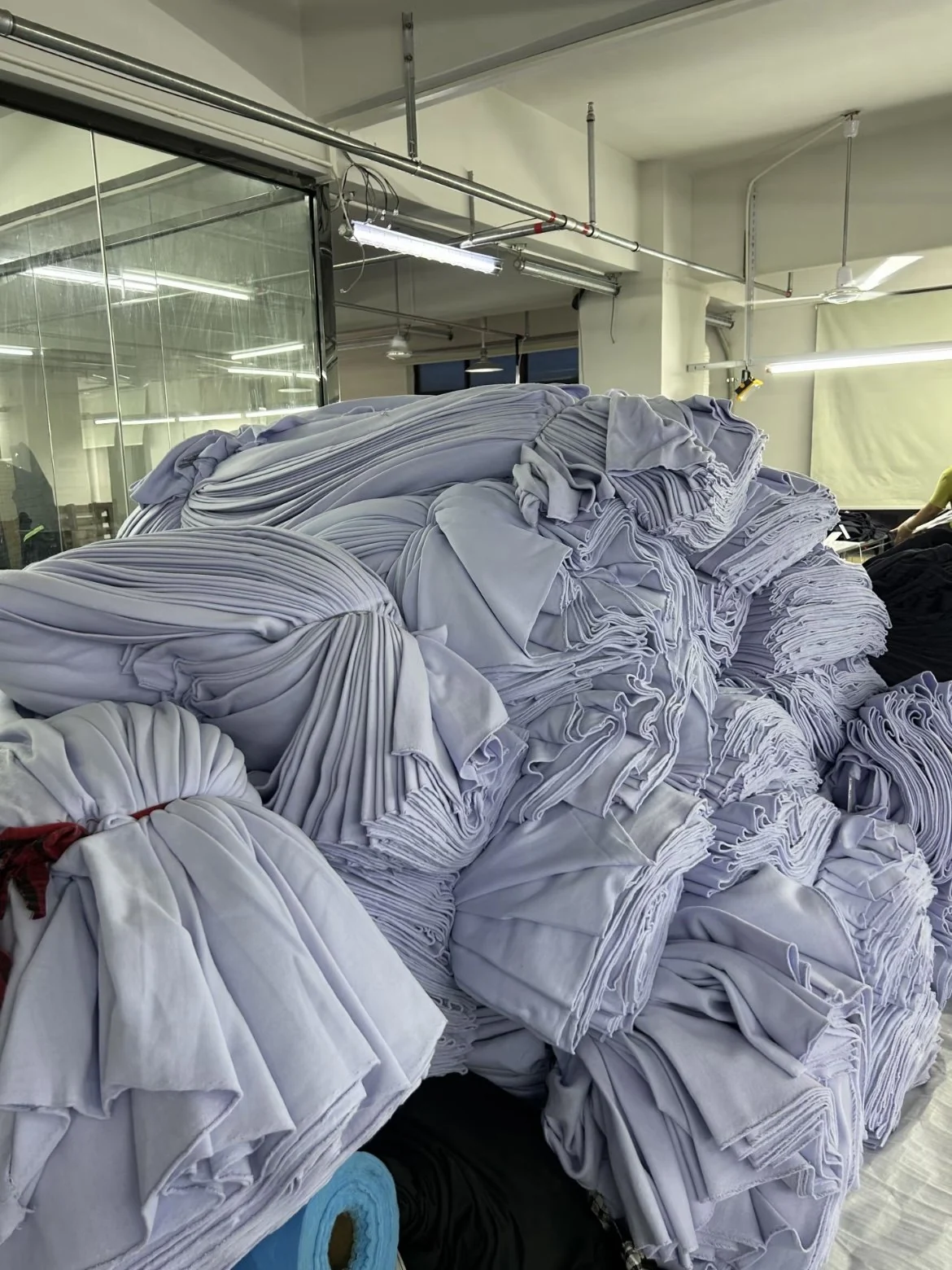
After the first sample is finished, the brand reviews it. This stage is important because the sample is not only a product preview. It is also a checkpoint before bulk production. The brand may adjust body length, sleeve length, shoulder width, hood size, pocket height, rib tightness, fabric color, logo position, print size or zipper details.
Some products can be approved after one sample. Others need one or two rounds of revision, especially if the hoodie is custom fit, heavyweight, garment dyed, washed, embroidered or designed for streetwear proportions. When washing is part of the route, Why Garment Wash Changes Hoodie Measurements explains why the finished sample should be reviewed after the intended process.
A rushed sample approval can create bigger problems in bulk production.Fit, fabric, logo placement and construction should be confirmed before cutting bulk fabric.
5. Bulk Fabric Preparation and Cutting
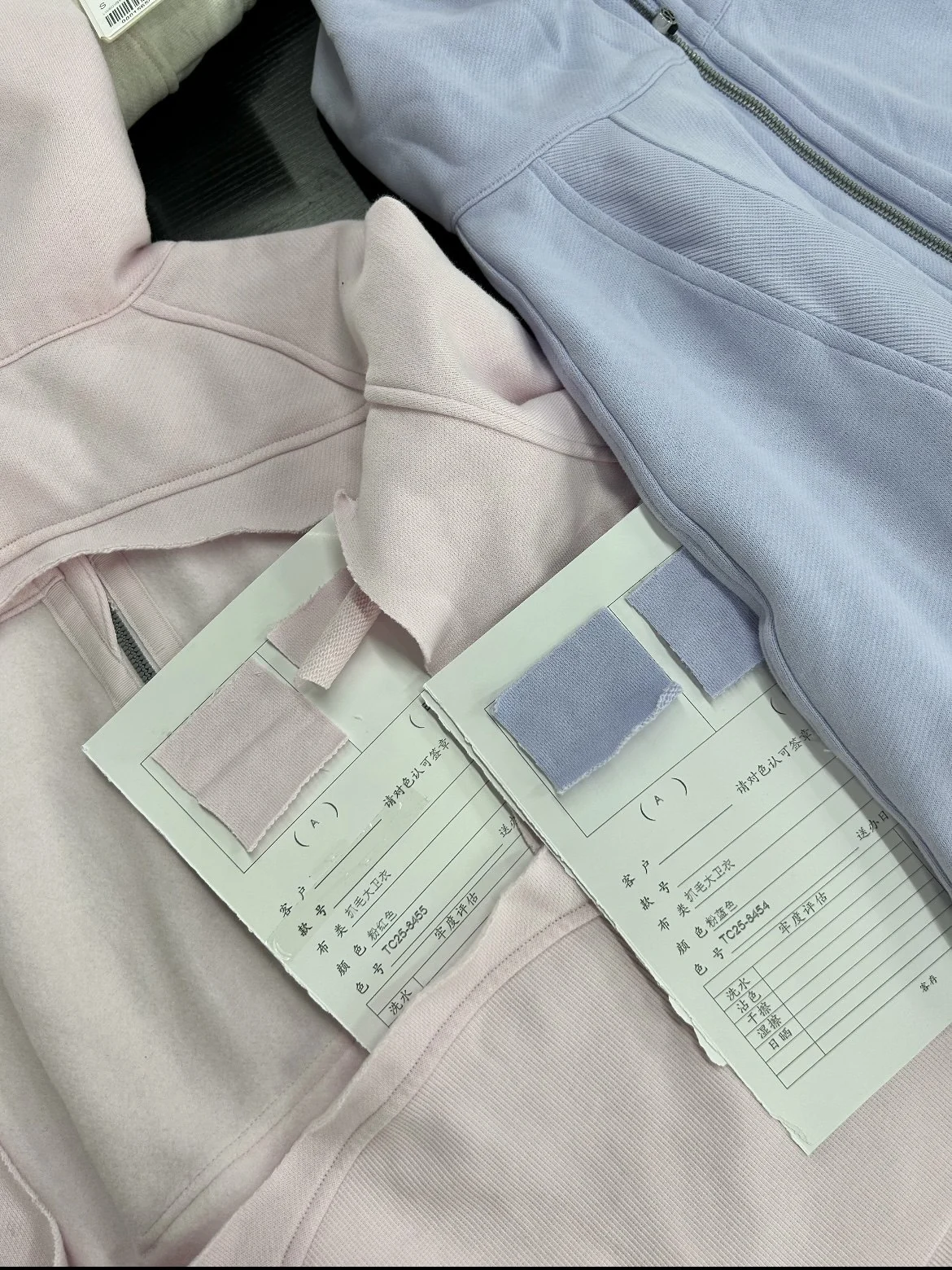
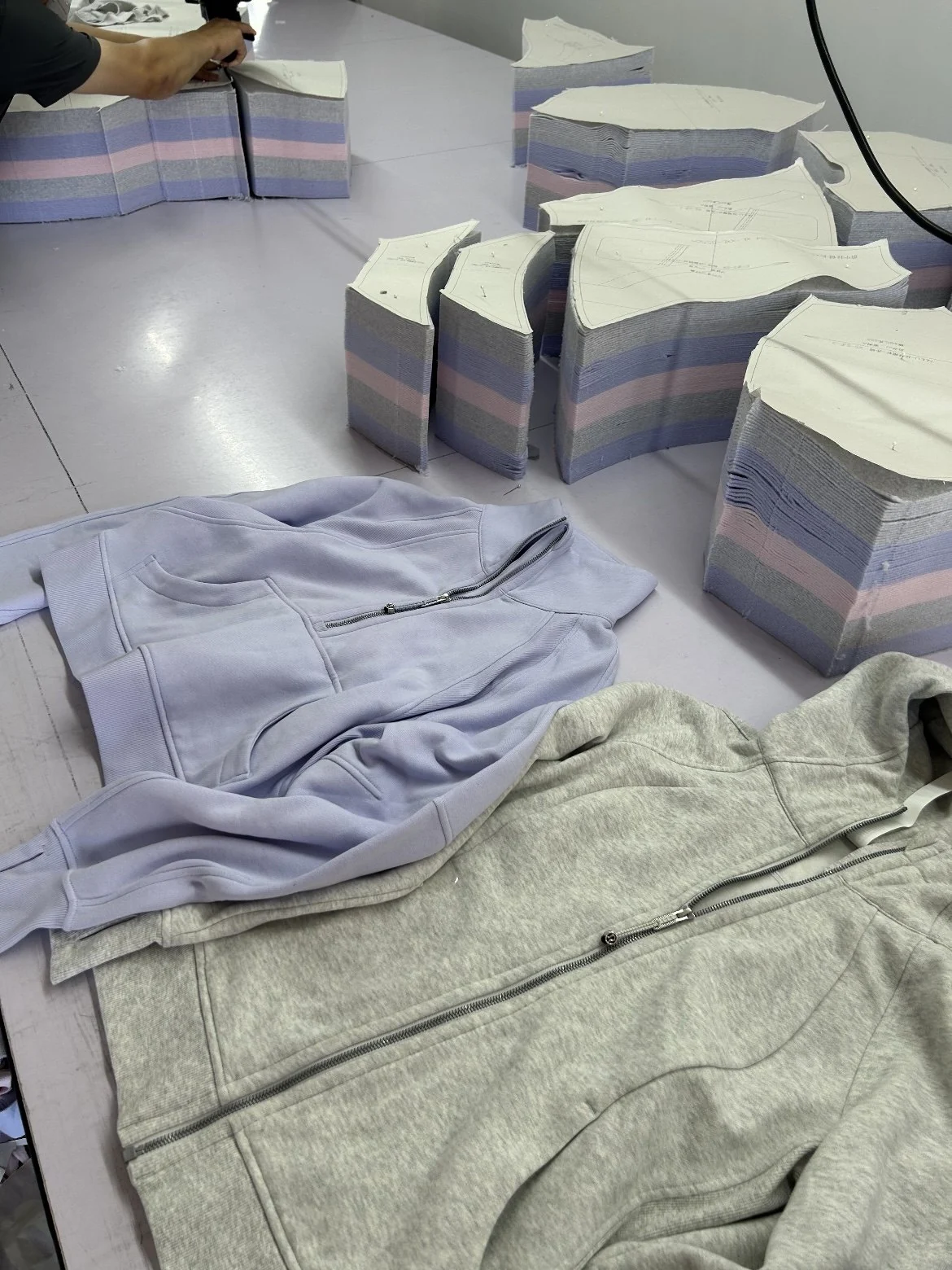
After the sample is approved, the factory can prepare for bulk production. This includes fabric ordering, fabric inspection, color checking, shrinkage control and cutting preparation. For bulk hoodie orders, fabric layers are arranged and cut according to the approved pattern.
Cutting needs accuracy. If fabric layers shift, the garment pieces may become inconsistent. For heavyweight hoodie fabric, the thickness makes cutting and handling more demanding.
6. Sewing and Assembly
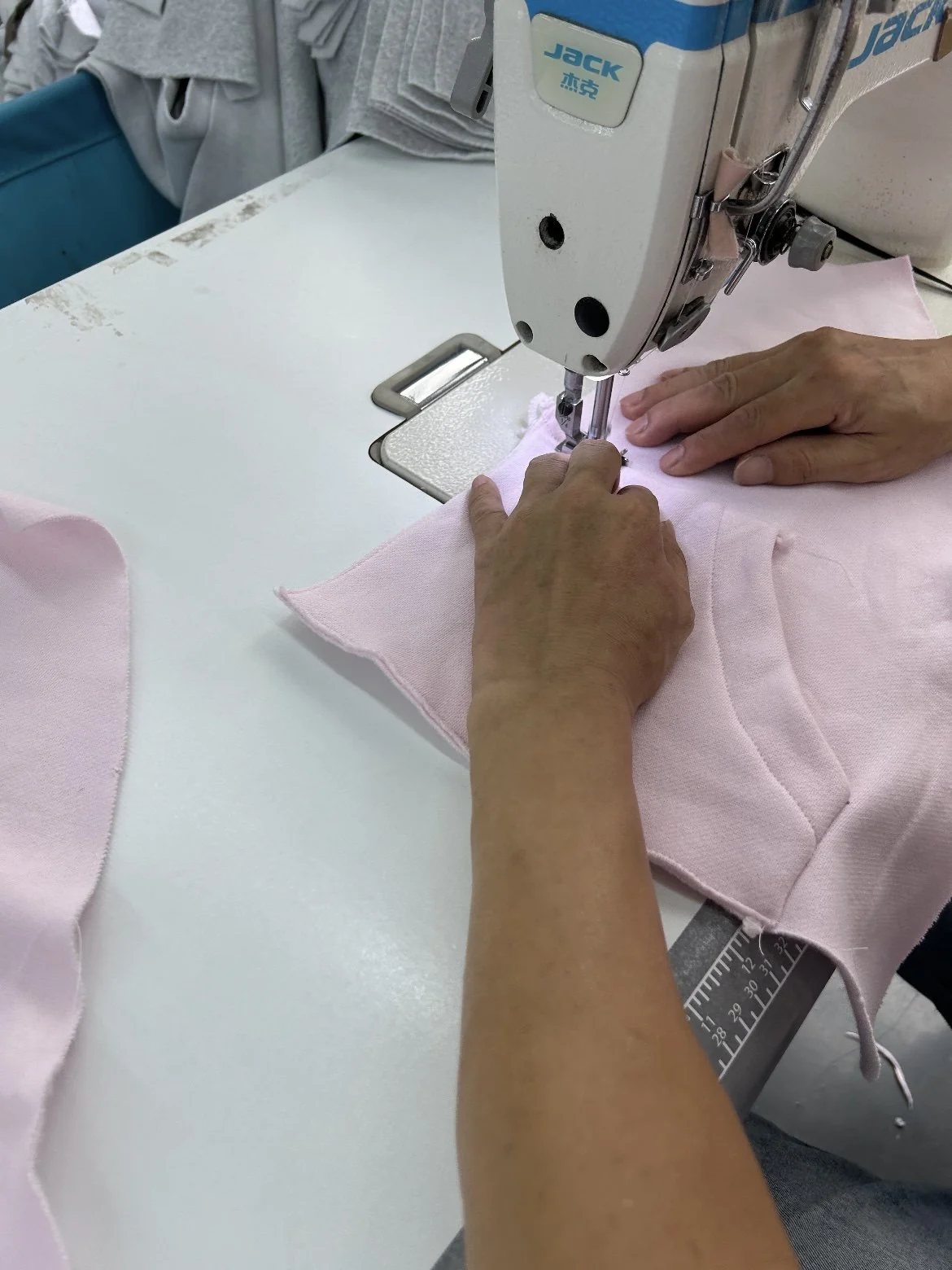
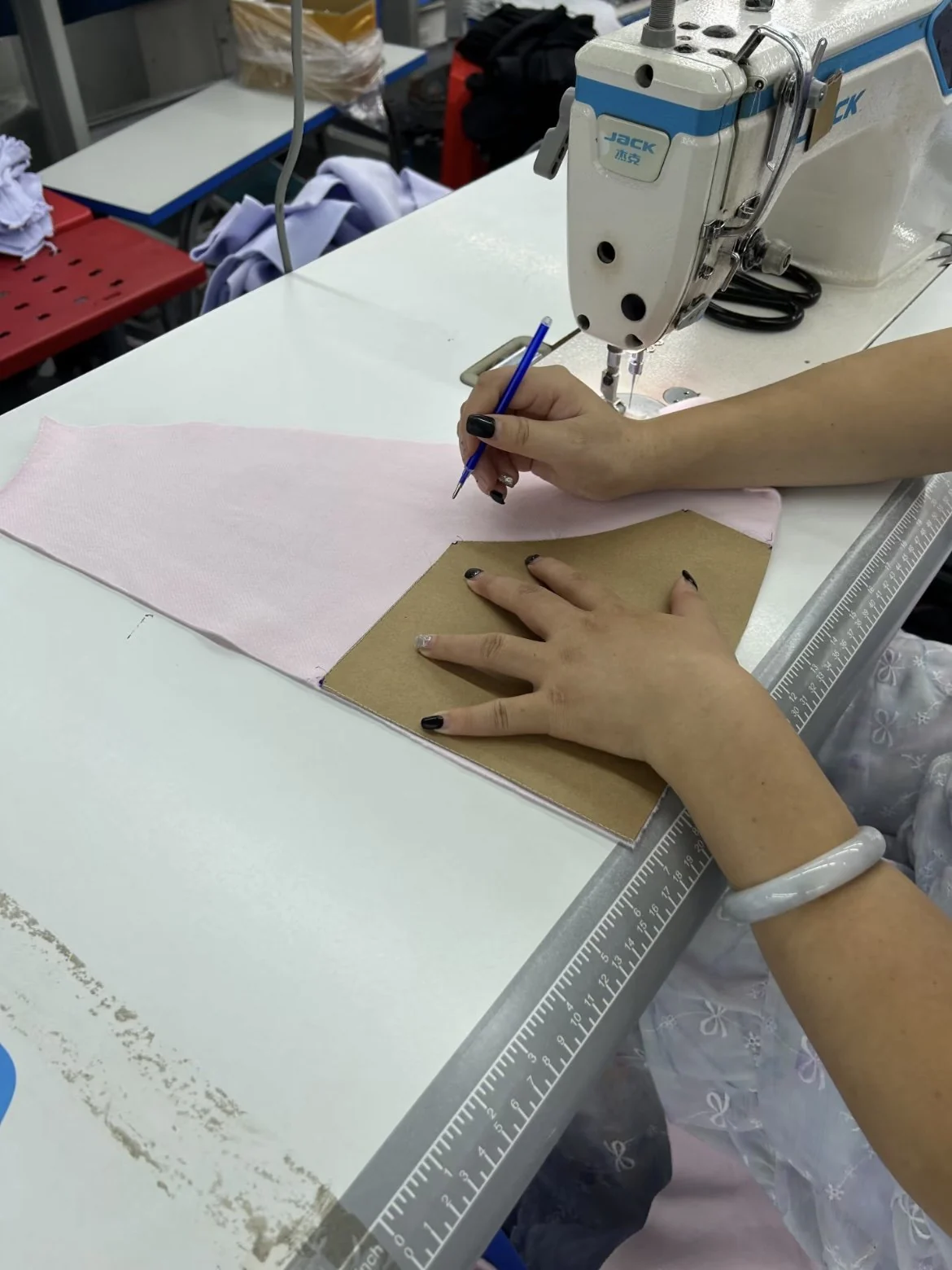
After cutting, the hoodie pieces move to the sewing line. The body panels, sleeves, hood, rib cuffs, hem, pocket, zipper or drawcord details are assembled into a finished garment. Decoration requirements are part of the route too; see Four Hoodie Printing Methods when comparing print options.
For hoodies, sewing quality directly affects the final look. Clean stitching, stable seams, smooth pocket edges and balanced rib attachment all help the hoodie look more premium. For heavyweight hoodies, machine settings, needle choice, thread tension and seam handling need to match the fabric.
7. Quality Control During Production
Quality control should not only happen at the end. A good factory checks the order during production as well. During hoodie production, the team may check stitching quality, panel alignment, pocket symmetry, rib attachment, zipper smoothness, hood shape, drawcord position, measurement accuracy, fabric defects, loose threads and stains.
For brand orders, consistency is critical. One good sample is not enough. The bulk order needs to stay close to the approved sample.
8. Finishing, Packing and Carton Preparation
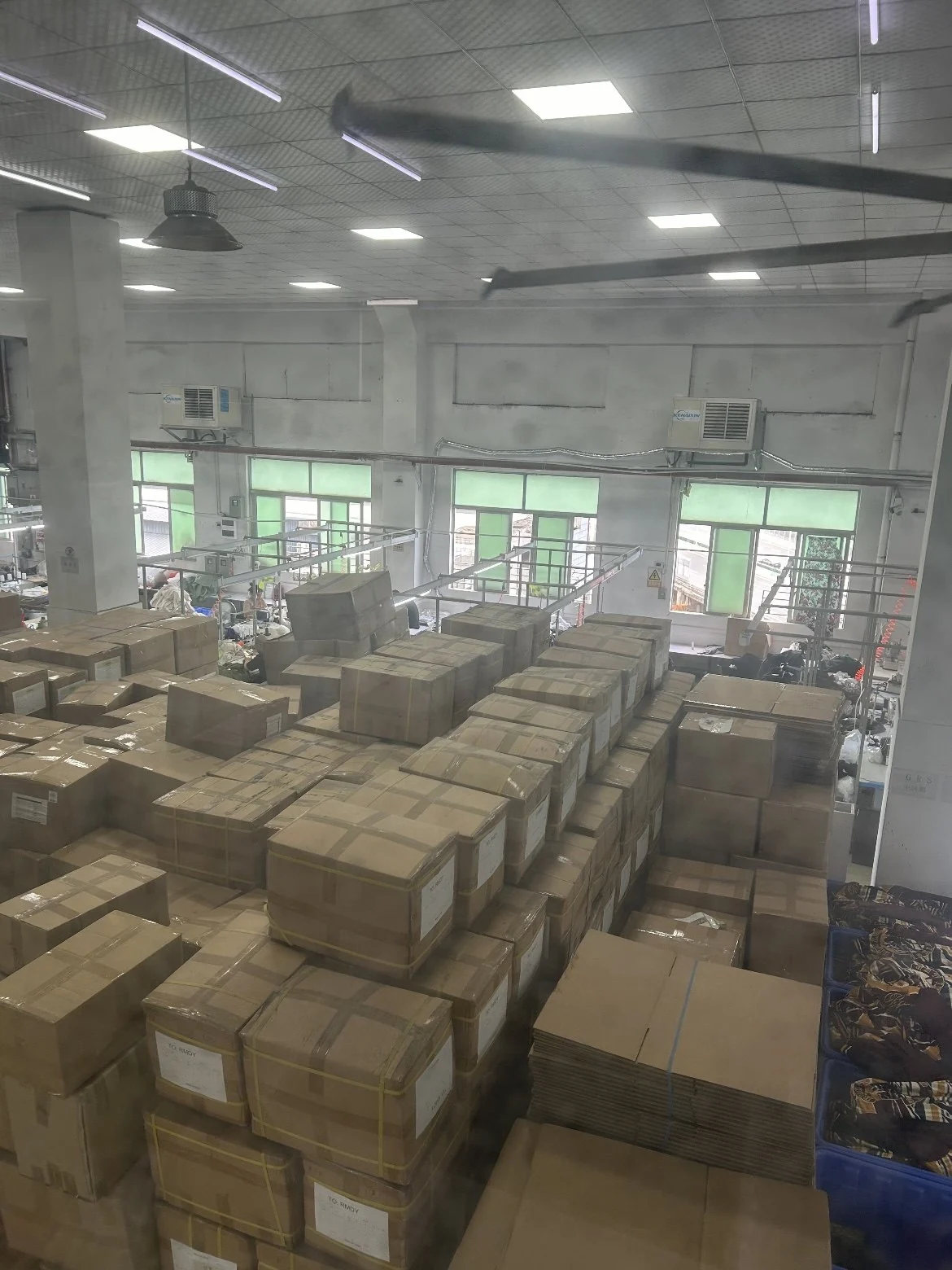
After sewing and checking, the hoodies go through finishing and packing. This may include trimming loose threads, ironing or steaming, folding, adding labels, hangtags, polybags, size stickers and carton packing.
For export orders, packing is not just about putting garments into boxes. The factory needs to confirm size breakdown, carton quantity, shipping marks and packing details.
9. Shipping Preparation
Once packing is completed, the order is prepared for shipment. The final shipping timeline depends on the destination country, shipping method, customs documents and logistics arrangement. Air shipment is faster but more expensive. Sea shipment is slower but more suitable for larger orders.
Before shipping, the factory may prepare a packing list, commercial invoice, carton details, shipping marks, export documents, logistics booking and final shipment photos.
10. A Realistic Hoodie Production Timeline
| Stage | Typical time | What must be confirmed before it starts |
|---|---|---|
| Product discussion | 1-3 days | Product direction, quotation details and initial production review |
| Fabric and trim confirmation | 2-7 days | Fabric, color, rib, zipper, drawcord, label and packaging decisions |
| Sample development | 7-15 days | Fabric direction and design details |
| Sample review | 3-10 days | First sample completion and client review feedback |
| Bulk fabric preparation | 7-20 days | Sample approval, fabric ordering and cutting preparation |
| Cutting and sewing | 10-25 days | Approved pattern and prepared bulk fabric |
| QC and finishing | 3-7 days | Bulk sewing and in-line checking |
| Packing and shipment prep | 2-5 days | Size breakdown, carton details and logistics preparation |
For many custom hoodie orders, the total timeline may be around 4-8 weeks after the main details are confirmed. Orders with custom fabric, garment dyeing, washing, embroidery, complex printing, special packaging or multiple sample revisions may require more time.
What Can Extend a Hoodie Production Timeline?
A standard order can move forward once the main product details are confirmed. The timeline may become longer when a project includes custom fabric, washing or garment dyeing, embroidery or complex printing, multiple sample rounds, special packaging, or a logistics destination that needs a different shipping arrangement. These choices are not problems by themselves, but they add stages or review points that should be planned before the launch date is set.
Why Hoodie Production Cannot Always Be Rushed
Many brands want faster delivery, especially before a product launch or seasonal drop. A factory can sometimes help improve efficiency, but not every step can be skipped. If the timeline is compressed too much, the order may face wrong fabric selection, inaccurate sizing, unapproved fit, uneven stitching, color mismatch, unstable shrinkage, poor logo placement, rushed packing or delayed shipping documents.
A professional production timeline protects both the brand and the factory. It gives enough time to confirm the product, control the process and deliver hoodies that match the approved standard.
Frequently Asked Questions
How long does custom hoodie production take?
Many custom hoodie orders take around 4-8 weeks after the main details are confirmed. Custom fabric, washing, embroidery, complex printing, special packaging and multiple sample revisions can extend the timeline.
How long does a custom hoodie sample take?
Sample development typically takes 7-15 days for pattern making, sample sewing and first sample completion.
What can delay a custom hoodie order?
Custom fabric, garment dyeing or washing, embroidery or complex printing, multiple sample revisions, special packaging and the logistics destination can extend a custom hoodie order timeline.
Ready to Plan Your Custom Hoodie Order?
Send your tech pack and target launch date to review the sampling plan, production timeline and bulk order process. You can also review our custom hoodie manufacturing program and how the process works before getting in touch.
Request a Hoodie Production Timeline